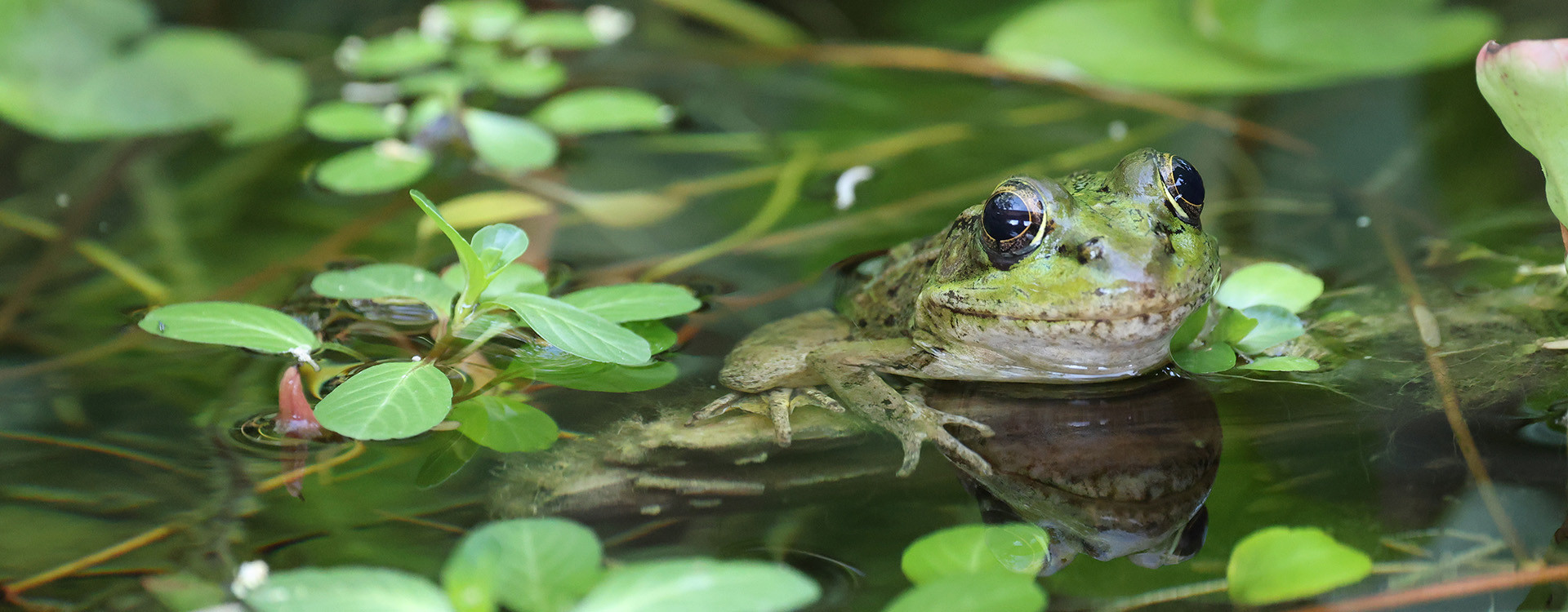
Mother Nature Thrives on Our Campus
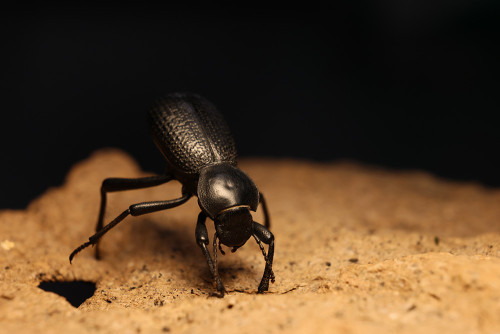
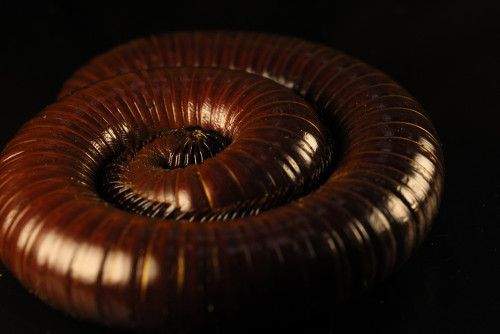
Amid the 98 acres of our vibrant Sonoran Desert campus, Mother Nature serves as instructor, classroom, and learning habitat. More than 35 species call the Red Mountain campus home, cared for by experts and open to visitors from our community. You'll see fish, frogs, and other critters thriving in their natural outdoor habitat. You can also observe snakes, spiders, and more in the safety of a huge indoor terrarium.
Get Face to Face with Wildlife
We invite you to visit our campus for an up-close look at these remarkable critters. Take a self-guided tour to learn more about endangered and protected desert flora and fauna. Bring a picnic to enjoy in one of the designated areas and enjoy the tranquility of this delicate ecosystem. Please adhere to all posted rules and policies within the cienega. Free parking is available on campus.
MCC does not endorse taking animals from the wild. The college has been granted Wildlife Holding Licenses as well as other special endangered-species permits by Arizona Game and Fish Department and other federal and state government agencies. In addition to faculty expertise, MCC has qualified wildlife veterinarians inspect and treat our animals to maintain their optimal health and well-being. Questions about the animals can be emailed to our curator.
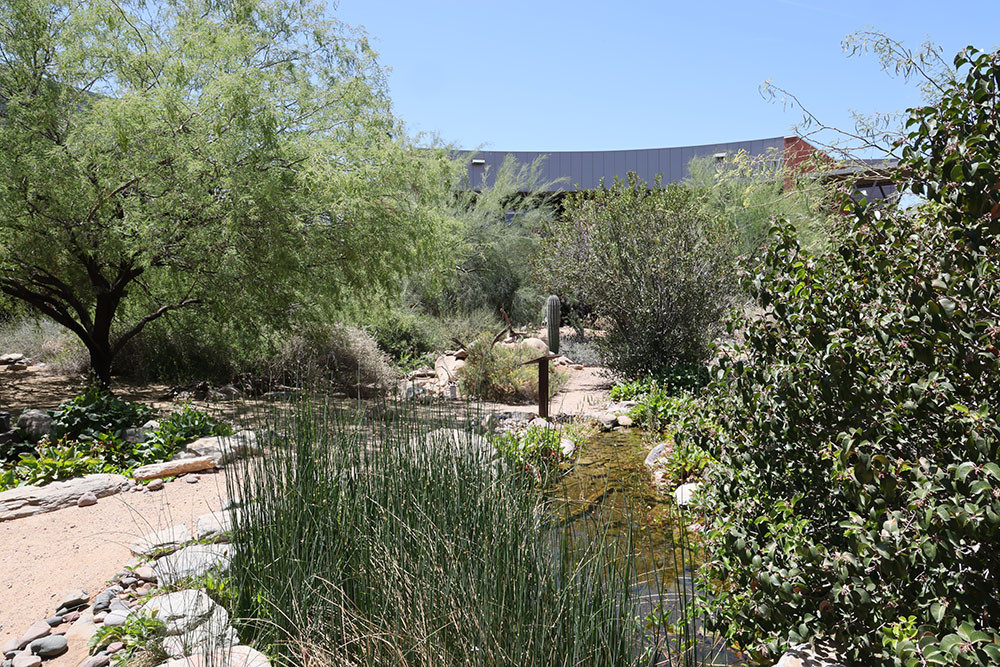
The Cienega
The cienega at Red Mountain was created as a refuge for endangered plants and animals, and serves to conserve the species and educate about the importance of their survival.
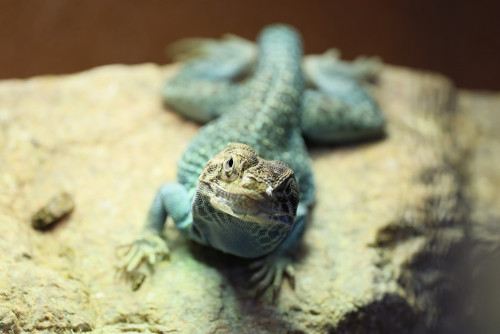
Endangered populations thriving in the cienega, including the Desert Pupfish, Gila Topminnow and Lowland Leopard Frogs, can be used to replenish wild areas or stock new recovery sites. Watch for other wetland residents including the Sonora Mud Turtle, Common Chuckwalla, Desert Iguana, and Round-Tailed Ground Squirrel.
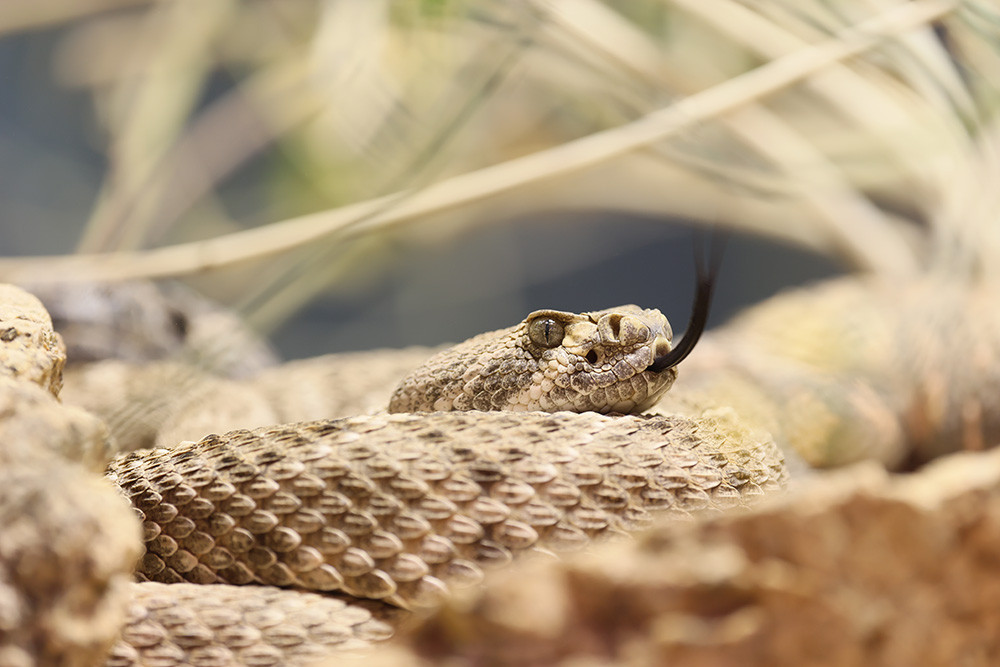
Saguaro Terraria
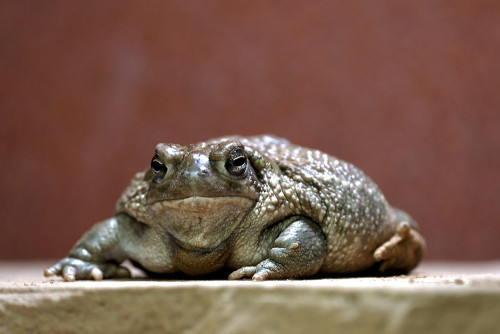
The Saguaro building is a living laboratory featuring a huge terrarium in the lobby that invites up-close yet safe observations of Sonoran Desert wildlife including the Western Diamondback Rattlesnake, Black-tailed Rattlesnake, Gopher Snake, native fish species, Gila Monster, and Sonoran Desert Toad.
Take a break from the heat and visit these animals from our air-conditioned lobby. Don't miss two additional terrariums built into the walls with views from the hallway.
Wildlife Conservation at MCC
Our campus supports endangered and vulnerable species by providing a safe habitat for them to reproduce. Some of these animals later move to other parts of Arizona where they are needed.
Gila Topminnow and Desert Pupfish are surveyed every year or two. When the population here grows large enough, some fish are relocated by state partners.
Lowland Leopard Frog eggs laid on campus are moved to Tonto Creek to support populations there in partnership with Salt River Project (SRP).
The cienega habitat is a safe haven for Lowland Leopard Frogs. It was created in 2010 and stocked with endangered fish thanks to the support of state partners.