Biotechnology
The ancient Egyptians used biotechnology to develop beer. Others used it to breed basset hounds, Boston terriers, and bull dogs. More recently, biotechnology has been used to design bleaches that battle the bacteria of major diseases.
Biotechnology is the manipulation of biology for some human end. It’s the use of microorganisms or biological substances, such as enzymes, to solve problems, make useful products, and perform specific industrial or manufacturing processes. Biotechnology merges biological information with computer technology to advance research in nanotechnology, regenerative medicine, agriculture, and ecology. Applications of biotechnology include the production of pharmaceuticals, synthetic hormones, and bulk foodstuffs, as well as the bioconversion of organic waste and the use of genetically altered bacteria in the cleanup of oil spills.
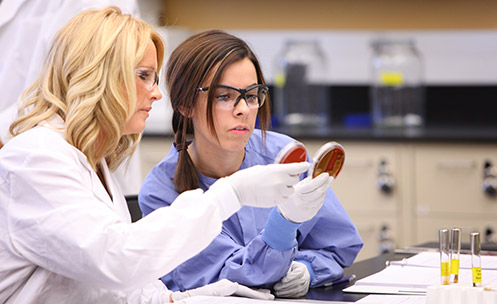
The Biotechnology program at MCC provides you with a working knowledge of biotechnology by focusing on competency and technical expertise with state-of-the-art laboratory protocol and with critical consideration of current topics in biotechnology. Our courses prepare you for a career as a technical assistant in laboratories. The program includes practical experience through an internship.
Quick Stats
- Example Titles
- Medical Lab Technician
- Clinical Lab Technician
- Laboratory Processing Technician
- Types of Employers
- Government Laboratories
- Bioengineering Laboratories
- Biomedical Laboratories
- Academic Laboratories
Career Profile
The relatively new biotechnology field is booming. Because of this growth, graduates with the necessary biology and chemistry skills and practical hands-on training will be in demand for careers as technical assistants in places such as governmental laboratories, pharmaceutical firms, and bioengineering laboratories. Graduates qualify for these positions with their working knowledge of laboratory protocols, core competencies, and technical expertise.
Medical and Clinical Laboratory Technicians can become technologists if they get additional training and experience. They can also become sales representatives or product testers for lab equipment manufacturers.
Laboratory Technicians:
- Run tests using body fluid, cell, or tissue samples
- Document lab processes
- Analyze tissue cultures
- Have at least an associate degree
- Often wear safety gear
- May work nights, weekends, or holidays
Available Associate Degrees and Certificates
| Degree / Certificate | Title | Required Courses |
|---|---|---|
| Associate in Applied Science (AAS) | Biotechnology | Required Courses |
| Certificate of Completion (CCL) | Biotechnology | Required Courses |
Transfer to a University
| At MCC, get an... | Transfer to... | To get a... |
|---|---|---|
| Associate in Science | Arizona State University | Bachelor of Science in Biological Science |
Meet with an Advisor
Before signing up for classes, you’ll want to meet with an academic advisor. Together, you’ll lay out a program and career path that suits you best. This step is essential to your academic success, so don’t skip it, okay?
Advising for the Biotechnology program is available through the Life Science department. You can also contact Advisement & Registration Services for general advising. Both will help you determine the exact courses you need to get the education you’re looking for.