
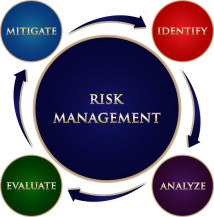
Each year, safety issues or emergencies in the workplace cause physical injuries, illnesses, extra financial expenses, and even fatalities. The most current statistics from The Bureau of Labor Statistics show that in 2005 there were 1,234,680 cases of nonfatal occupational injuries and illnesses in major industries. That's a huge amount, especially when you note that these results only tabulate certain industries, and no fatalities are included in these statistics.
Workplace Safety means the control and elimination of recognizable workplace hazards to attain an acceptable level of risk.
Slips, Trips, & Falls:
Falls are the most common office accident, accounting for the greatest number of disabling injuries. In fact, office workers are twice as likely to suffer a fall as non office workers. There are many different reasons why employees fall while on the job. They could fall while walking, climbing ladders and stairs, and even while sitting in chairs. People can trip over telephone and electrical cords, open desk and file drawers, loose or worn carpeting and rugs, debris, and equipment and packages left in aisles “just for a moment.”
Prevent slips, trips, and falls in the workplace by following these commonsense safety rules:
Always watch where you are walking. Seeing a spill, or item in your way before you encounter it could prevent your fall.
When not in use, keep all items that could impede a walkway, such as drawers, cabinet doors, and chairs, pushed in or out of the way.
Report any broken items.
Keep your surroundings tidy. If anything falls on the floor, such as liquid, paper, or a pencil, clean them up immediately. Small items such as these can easily cause a slip or fall.
When going down stairs use the hand rails and proceed with caution.
If you work in an area which tends to be wet or slick, wear slip resisting shoes, such as “Shoes for Crews” tends to be wet, dirty, or oily, wear slip-resistant footwear, and keep the soles clean for better traction.
Lock or rope off areas which are dangerous.
Before using a ladder inspect it to see that it is in good condition.
Sprains & Strains
Neck and back injuries from improper lifting, unexpected twisting, jerking or overexertion often disable office workers. Learn and follow proper lifting techniques and always get help with heavy or awkward loads. A sprain is caused when a person places excessive demands on a joint, which is the place where two bones are connected to each other by a ligament. A strain is a tearing of a muscle caused by overexerting or pulling a muscle. Back strains are common occupational injuries.
Prevent strains and sprains in the workplace by following these simple rules:
If possible use a machine to help you lift objects
Take several trips for loads that are heavy and can be divided into several smaller loads
Bend the knees and do not turn when lifting to avoid injuring the back
Hold the object close to your body, this will create less of a strain on your muscles
Musculo-Skeletal Disorders (MSD)
MSDs are injuries and illnesses that affect muscles, nerves, tendons, ligaments, joints or spinal discs. Workers suffering from MSDs may experience less strength for gripping, less range of motion, loss of muscle function and inability to do everyday tasks.
Common causes of MSDs are:
Repetition – such as long or concentrated hours of typing or using a mouse.
Awkward Positions - Awkward postures include repeated or prolonged reaching, twisting, bending, kneeling, squatting, working overhead with your hands or arms, or holding fixed positions.
Forceful Exertions. Force is the amount of physical effort required to perform a task (such as heavy lifting) or to maintain control of equipment or tools.
Contact Stress. Pressing the body against a hard or sharp edge can result in placing too much pressure on nerves, tendons and blood vessels.
Vibration. Operating vibrating tools such as sanders, grinders, chippers, routers, drills and other saws can lead to nerve damage.
By using the principles of ergonomics, (the science of fitting the workplace to the worker instead of forcing the worker to fit the workplace) you can adjust your work environment to fit your body.... and avoid the stresses that cause so much pain and discomfort.
A Good Place to Start
As an employer; MCC has the responsibility to ensure that we:
Ensure that the workplace is safe and free of hazards.
Maintain that alcohol and illegal drugs are banned from the workplace.
Stop employees from using tools that are unsafe
Stop employees from entering unsafe places
Enforce rules that affect a safe work environment for all employees
As an employee; you have the responsibility to:
Participate with the employer’s rules about safety and health.
Read and follow all safety procedure materials.
Attempt to prevent all job accidents.
Not wear torn or loose clothing while working around machinery, and always clean area and take care of equipment.
Report any injury or illness to your supervisor.
Do not remove any safety warnings.
Do not threaten anyone else’s right to safety and health.